Why the World Is Switching from Plastic to Aluminium Packaging — And What It Means for South Africa
Why the World Is Switching from Plastic to Aluminium Packaging — And What It Means for South Africa
A global shift is underway in food and beverage packaging. Across Europe and North America, aluminium is rapidly displacing plastic as the material of choice — and the numbers are hard to ignore.
Alcoa, one of the world's largest aluminium producers, recently confirmed that demand for aluminium packaging is currently running at exceptionally high levels on both sides of the Atlantic. Speaking at the Jefferies Global Industrials Conference, Alcoa's Chief Financial Officer Molly Beerman attributed the surge directly to growing consumer and regulatory hostility toward plastic. <a href="https://aluminiumtoday.com/news/alcoa-sees-strong-aluminium-packaging-trends" title="Alcoa sees strong aluminium packaging trends" target="_blank" rel="noopener noreferrer">As reported by Aluminium International Today</a>, Beerman noted that large volumes of aluminium slab were being delivered to packaging customers across both regions, adding: "You think about nobody wants these plastic bottles anymore. We should all be drinking our water out of cans. So, really high demand there."
The Anti-Plastic Movement Is Reshaping Packaging Globally
The shift away from single-use plastic has been building for years, driven by a combination of consumer preference, corporate sustainability commitments, and increasingly strict legislation. The European Union's Single-Use Plastics Directive has accelerated the move significantly, banning a wide range of single-use plastic products and pushing food and beverage manufacturers toward more sustainable alternatives.
Aluminium is the primary beneficiary. Unlike many plastics, aluminium is infinitely recyclable — it can be melted down and remade into new packaging without any loss of quality, and the process uses only a fraction of the energy required to produce primary aluminium. For brands and manufacturers under pressure to reduce their environmental footprint, this is a compelling proposition.
In North America, similar dynamics are at play. Consumer demand for aluminium cans and containers has grown substantially as major food and beverage brands move away from plastic bottles and packaging formats that are difficult to recycle in practice.
What This Means for Food Packaging in South Africa
Global trends in packaging don't stay global for long. South Africa's food industry is closely linked to international supply chains, consumer expectations, and sustainability standards — particularly among the hospitality, catering, and food manufacturing sectors that supply large retail chains and export markets.
What's happening in Europe and North America today typically reaches South Africa within two to three years. Retailers, food service operators, and catering companies that get ahead of this shift now will be better positioned when regulatory pressure and consumer preference make it unavoidable.
The practical implications are clear:
Restaurants and takeaways are under increasing pressure from customers who prefer sustainable packaging. Switching from polystyrene or plastic containers to aluminium foil containers is a straightforward upgrade that most food businesses can make immediately, without changing their operations.
Food manufacturers and processors supplying retail and export markets are increasingly required to demonstrate sustainable packaging choices as part of supplier qualification. Aluminium foil containers, as a 100% recyclable and widely recognised sustainable format, tick that box clearly.
Caterers and event companies serving corporate clients — particularly those with published sustainability commitments — are finding that their clients are starting to ask questions about packaging choices. Aluminium provides a credible answer.
Aluminium Foil Containers — The Practical Choice
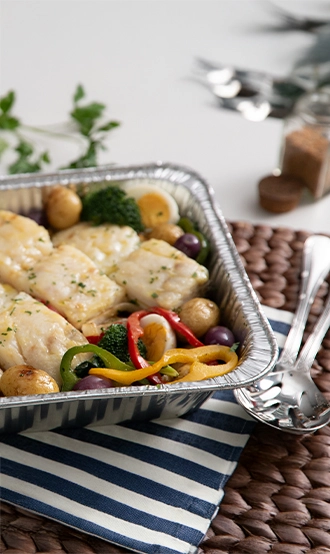
Beyond the sustainability argument, aluminium foil containers offer practical advantages that plastic simply cannot match. They are oven-safe, microwave-safe (without the lid), freezer-safe, and maintain food temperature better than most alternatives. For hot food service, catering, and meal preparation, they are the most versatile food packaging material available.
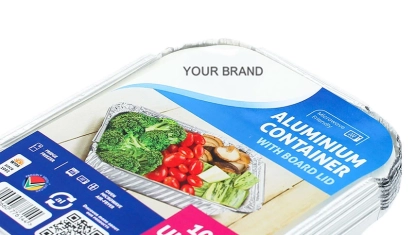
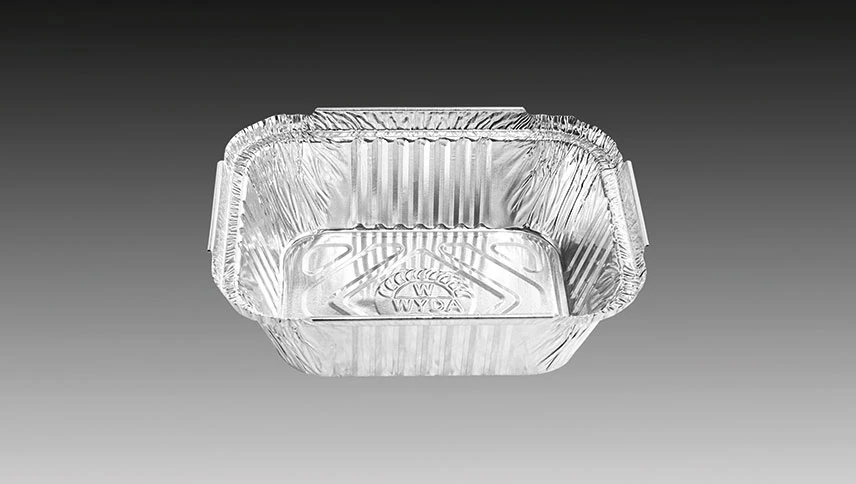
Wyda Packaging South Africa manufactures a comprehensive range of aluminium foil containers for South African food businesses — from small individual portion sizes to large catering trays. All of our containers are 100% recyclable, manufactured to international food safety standards, and available in bulk for commercial customers.
As global demand for aluminium packaging continues to grow and plastic alternatives come under increasing scrutiny, now is the right time to make the switch. Download our product catalogue to explore the full range, or contact our team for bulk pricing and availability.
Source: Aluminium International Today — Alcoa sees strong aluminium packaging trends, published 14 September 2026.
Keywords: aluminium packaging demand, plastic alternative food packaging South Africa, sustainable food packaging, aluminium foil containers South Africa
Posted on 16/09/2026